
by Edward Ellis, Special Correspondent
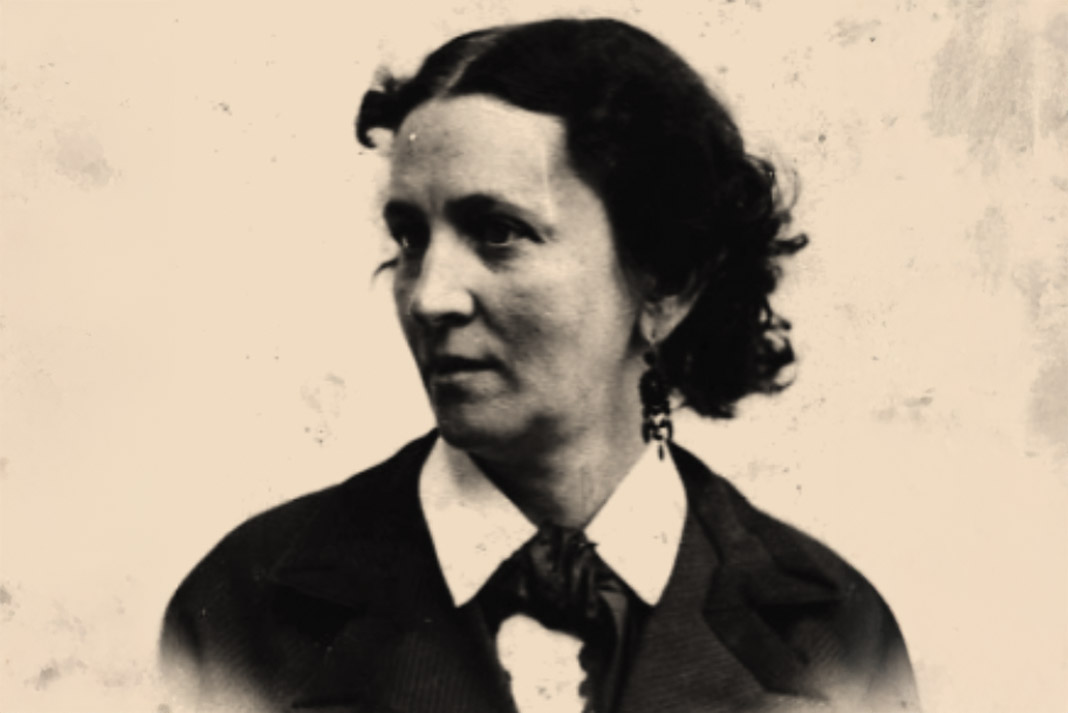
Mary Bayard Devereux Clarke didn’t just write her way into Southern literary history—she carved out a place for herself with determination, curiosity, and a voice that refused to stay quiet. Her life eventually led her to New Bern, but her influence stretched far beyond the city’s borders.
Born in Raleigh in 1827, Clarke grew up in the well‑known Devereux family, surrounded by books, ideas, and a strong sense of North Carolina’s past. After marrying William J. Clarke, a Confederate officer who later entered politics, she moved to New Bern and quickly became part of its cultural and civic life. The city gave her both a home and an audience.
Clarke wrote under names like “Tenella” and “Betsey Bittersweet,” and her work appeared in some of the most widely read Southern publications of the day, including The Southern Literary Messenger, The Land We Love, and The New York Home Journal. She wrote poetry, essays, translations, and fiction—whatever form suited the moment—and she used her writing to explore the shifting identity of the South, the meaning of education, and the war’s upheaval.
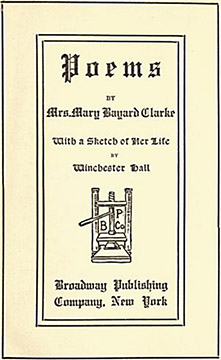
Clarke’s legacy is a substantial body of writing that offers a rare window into 19th‑century Southern life. The Raleigh News and Observer later called her “one of its most gifted daughters,” a nod to her efforts to elevate North Carolina’s literary reputation. She began her public career by compiling an anthology of North Carolina poetry, before publishing her own work in national and international journals.
Her influence didn’t stop at her own work. Clarke assembled and revised William J. Clarke’s wartime writings and speeches, a project that showcased her editorial skill and her commitment to preserving the historical record. During Reconstruction, her essays and poems became a steady, reflective voice as the region tried to understand what had been lost and what might come next.
Mary Bayard Devereux Clarke died in March 1886 at age 58 and was buried in Cedar Grove Cemetery.
[Bonus fact: She was the grandmother of noted local photographer Mary Bayard Wooten, 1875-1959.]