
By Claudia Houston, New Bern Historical Society
History has a way of surprising us. Over the years, New Bern has welcomed all kinds of people—some born here, some who came for a season, and some who arrived because war brought them. A few passed through eastern North Carolina before becoming famous elsewhere. One of them was a young Canadian musician whose name many readers may not recognize, even though they certainly know his music.
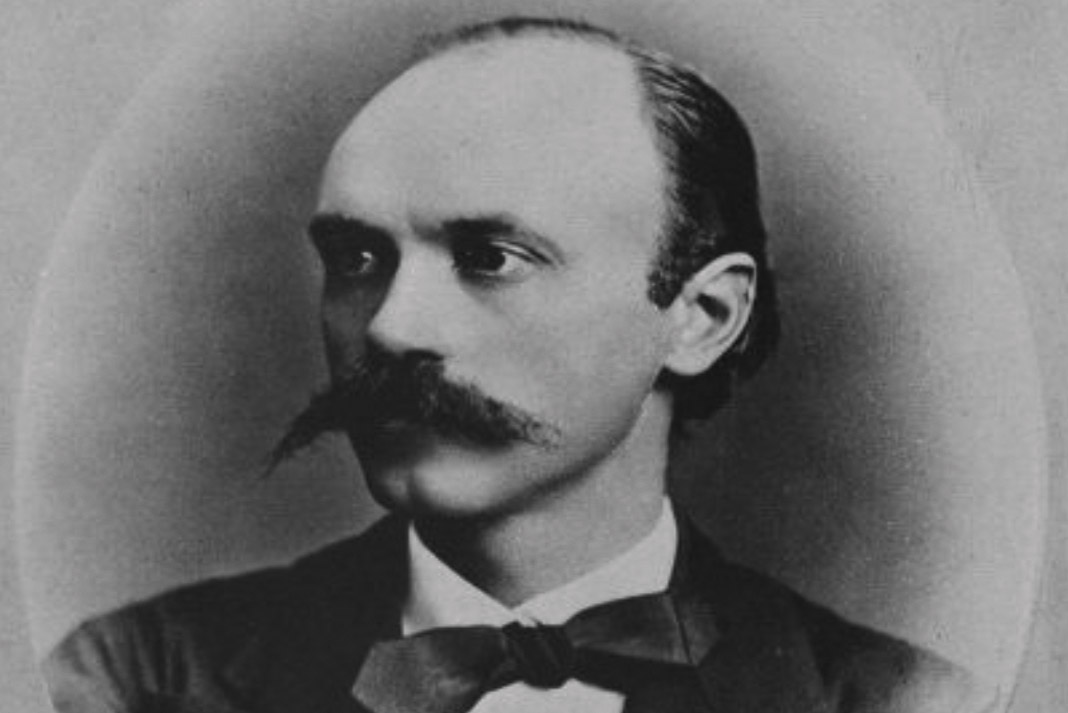
That man was Calixa Lavallée, the composer of “O Canada.”
Lavallée was born in Quebec in 1842. Music was part of his life from the beginning. His father was a blacksmith, but he also made musical instruments and served as a bandmaster. Under his father’s guidance, young Calixa learned piano, organ, cornet, and violin. He was gifted, ambitious, and eager to see the world.
As a teenager, he left Canada for the United States, where he began building a career as a professional musician. He reportedly won a prize in New Orleans, toured widely, and published piano music. By the time the Civil War began, Lavallée was already living the adventurous life he seemed to crave.
Then came war—and with it, his connection to eastern North Carolina.
In 1861, Lavallée enlisted in Providence, Rhode Island, as a musician with the 4th Rhode Island Infantry Regiment. He joined not as a frontline infantryman, but as part of the regimental band, serving as a cornet player. For a musician, army life meant more than simply playing marches. Regimental bands provided music for drills, ceremonies, parades, camp life, and religious services. They boosted morale, brought order to military routine, and sometimes found themselves dangerously close to combat.
With Burnside’s Expedition, the 4th Rhode Island came to coastal North Carolina. The regiment took part in the campaign that brought Union forces to Roanoke Island, New Bern, and Fort Macon in 1862. That means Lavallée, best known for writing Canada’s national anthem, walked the same ground that continues to shape our local history.
That connection alone is remarkable.
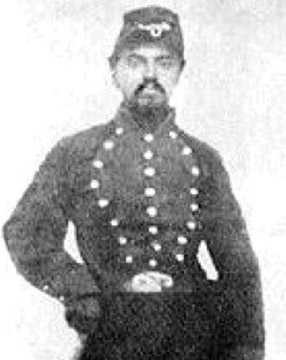
In September 1862, Lavallée joined his unit at Antietam. While several sources have reported that he was wounded in the leg, his military records do not support that. Due to major budget cuts by the Union Army, Lavallée, along with his fellow nineteen bandmates, were mustered out together on October 3, 1862.
After the war, Lavallée returned to music with determination. He performed as a pianist, violinist, and cornetist, taught students, conducted, and composed. His career carried him between Canada and the United States, including years in Boston, New York, and Montreal. He eventually became an important figure in North American musical life and was even elected president of the Music Teachers National Association.
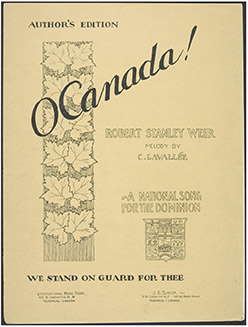
In 1880, Lavallée was asked to help prepare music for a convention of French Canadians in Quebec City. For that event, he composed a new patriotic song, with words by Judge Adolphe-Basile Routhier. The title was “O Canada.” The song was warmly received, though it would not officially become Canada’s national anthem until a century later.
Lavallée did not live to see that honor. He died in Boston in 1891 at the age of 48 after suffering from tubercular illness. Decades later, his body was returned to Montreal, where he was reinterred with ceremony and respect.
New Bern has always been shaped by the people who passed through it in extraordinary times. Today, Calixa Lavallée is remembered for the anthem that gave voice to a nation. Yet one chapter of his life led him not to a concert hall, but to wartime eastern North Carolina. For New Bern, that small connection is a reminder that even in the midst of war, history sometimes leaves behind unexpected music.
And that is what makes his story worth telling here.