
by Edward Ellis, Special Correspondent
Amid the winding waters of eastern North Carolina, the Neuse River carries more than just sediment to the sea—it carries the memory of the Neusiok, a people whose story is largely lost but still quietly present in the landscape.
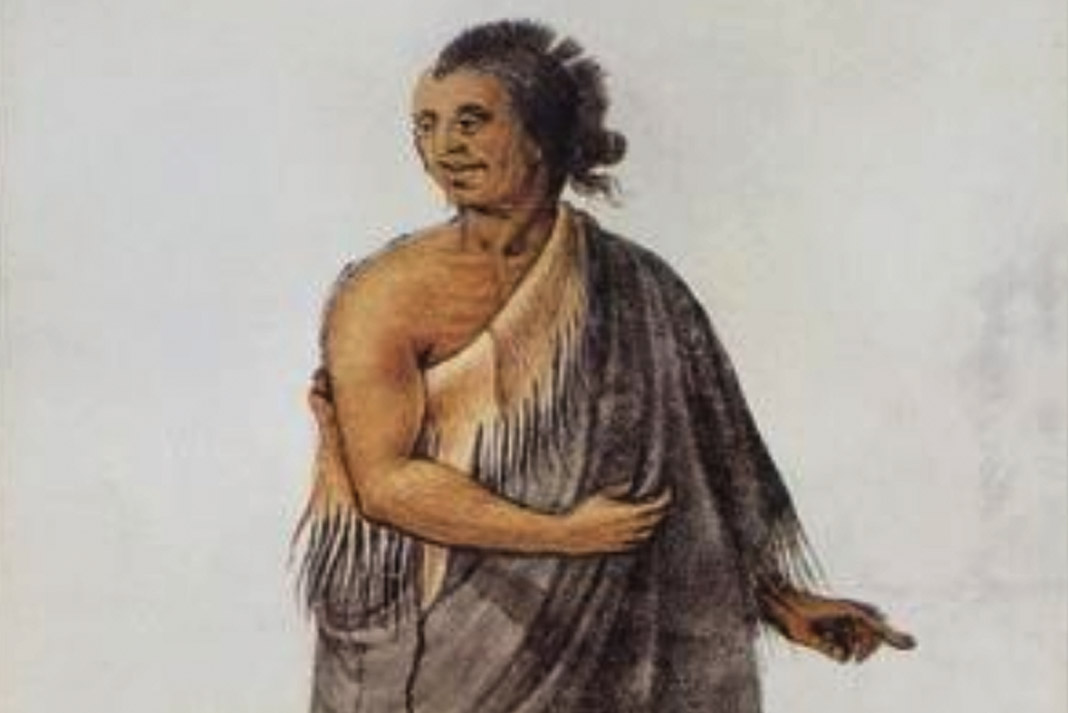
Long before European settlers arrived, the Neusiok lived along the river’s lower reaches, especially near what is now New Bern. Their main village, often called Chattooka, stood where “downtown” is today, near the meeting of the Neuse and Trent River – a prime location for fishing, farming, and travel.
Like other members of the Carolina Algonquian world, the Neusiok built their lives around the rhythms of the coast. Canoes glided through tidal creeks, nets pulled in fish from brackish waters, and fields of corn, beans, and squash flourished nearby.
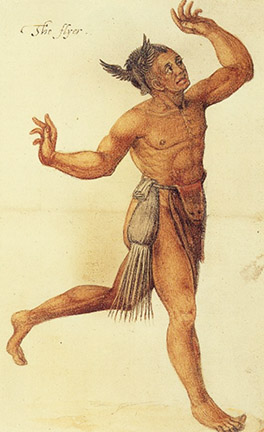
They were not alone. A few modern counties north lived neighbors like the Secotan – see John White’s early portraits nearby – while inland thrived the powerful Tuscarora. Positioned between coast and interior, the Neusiok occupied a kind of cultural crossroads – connected, but also exposed.
That exposure proved costly. By the early 1700s, tensions with Swiss and English colonists erupted into the violent Tuscarora War. A 1711 surprise attack and massacre by the natives nearly wiped out the emerging settlement here. As a result, colonial forces assaulted Neusiok settlements, destroying their communities. Many were killed. Others were captured or forced to flee. Within a few short years, the Neusiok ceased to exist as a distinct tribe, their survivors absorbed into other groups or colonial society. And yet, they are not completely gone.
Their name lives on in the Neuse River itself, a daily reminder as it flows past forests, marshes, and towns. Archaeological remnants – fragments of pottery, tools, and village sites – still lie beneath the soil. And their story echoes in the broader history of Indigenous North Carolina: one of adaptation, connection to the land, and resilience in the face of upheaval.
Today, if you stand along the quiet banks near New Bern, it’s not hard to imagine canoes cutting through the water or smoke rising from riverside campfires. The Neusiok may no longer be a recognized people, but their presence lingers – subtle, enduring, and woven into the very geography of the river that bears their name.