
By Anthony Giardino, Executive Director, New Bern Historical Society
As November invites us to reflect, the New Bern Historical Society has a special reason to give thanks for the vision and leadership of John R. Taylor, whose determination helped secure one of our community’s most treasured historic properties.
On November 12, 1953, Taylor was elected president of the Historical Society. The organization was beginning a period of renewed purpose following its reactivation in 1952, but its resources were modest. The Society had approximately 63 members and less than $90 in assets. What it lacked in financial strength, however, it would soon make up for through bold vision, dedicated leadership, and community generosity.
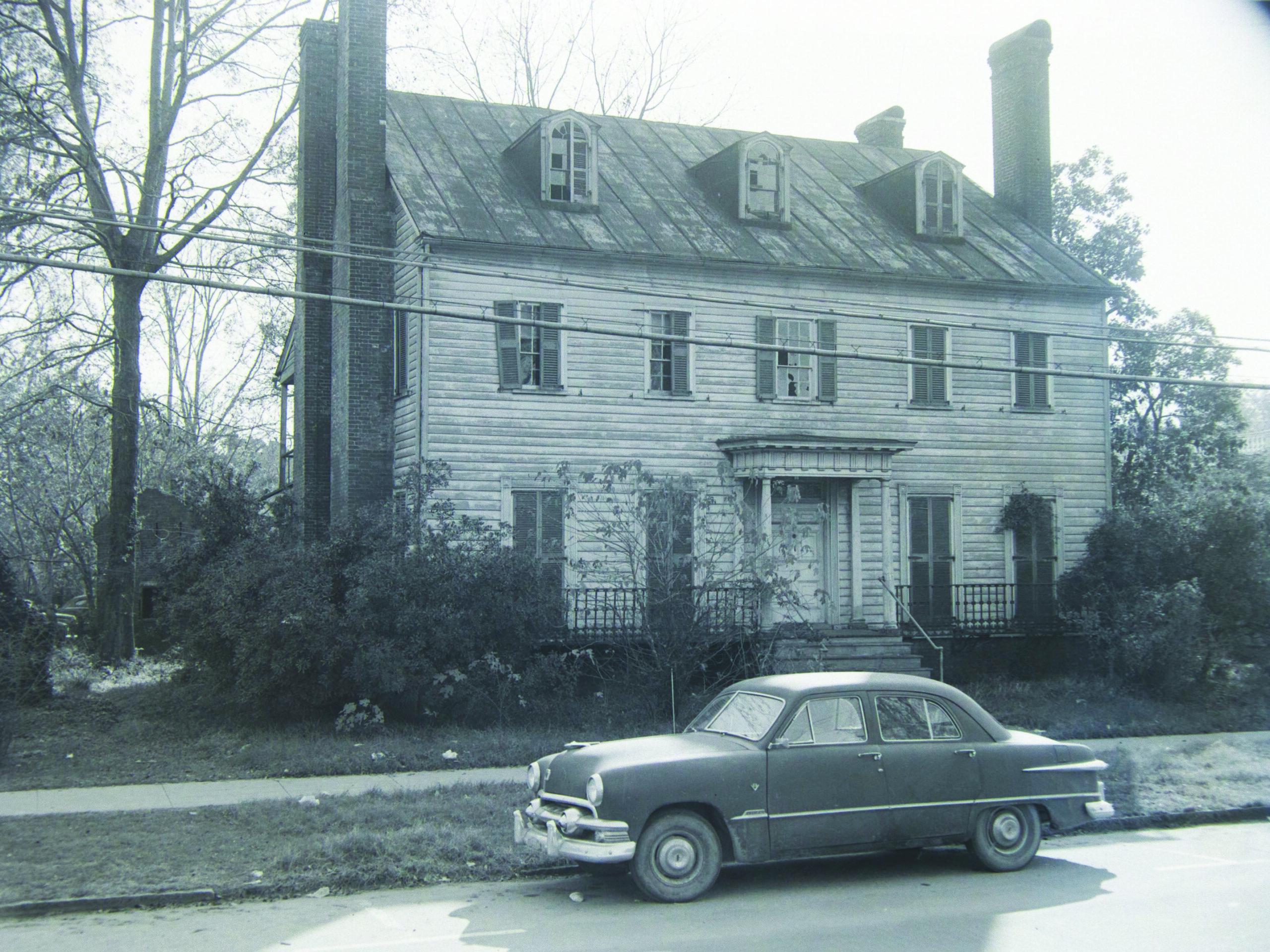
Taylor believed the Society needed a permanent home that could serve its mission for generations. His attention turned to the Attmore-Oliver House on Broad Street, a historic residence built circa 1790 that had fallen into considerable disrepair. After the death of its longtime resident, Mary Taylor Oliver, in 1951, the property faced an uncertain future. Taylor and fellow Society leader John G. Dunn traveled to Fayetteville to negotiate with the heirs, ultimately securing an agreement to purchase the house for $30,000 in 1954.
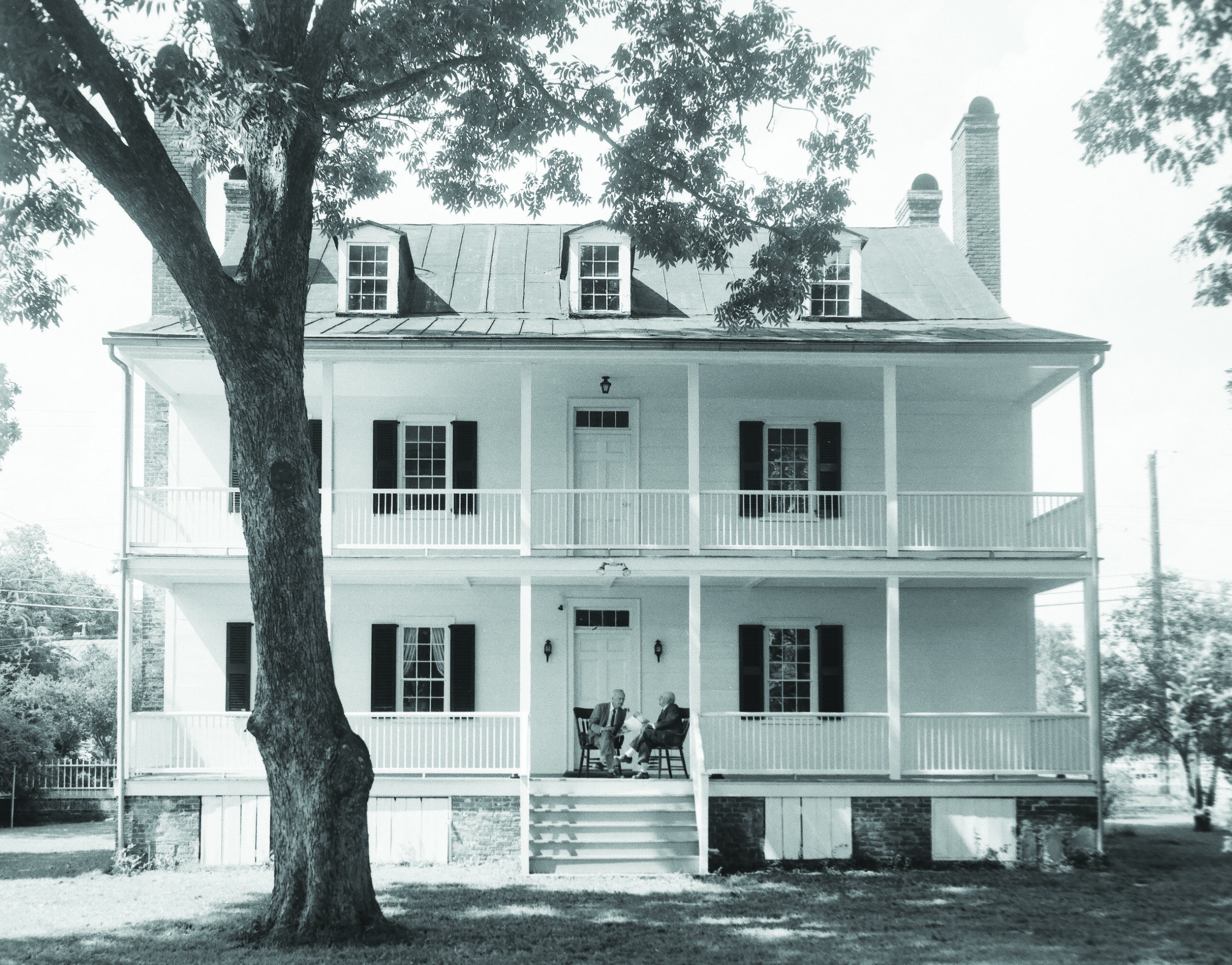
The purchase was an ambitious undertaking for an organization with so few resources. Taylor responded by organizing a determined fundraising effort, establishing a finance committee and enlisting community members to solicit contributions. Businesses donated money, building materials, paint, and furnishings and Society members hosted fundraising events.
The Society also borrowed an additional $30,000 for restoration. Over the following years, members, local businesses, and supporters worked together to rehabilitate and furnish the house. The campaign ultimately raised more than $65,000 for the purchase, restoration, and furnishings. On March 20, 1963, the mortgage was ceremonially burned at the Governor Tryon Hotel, marking the successful conclusion of a remarkable community effort. Taylor’s leadership was recognized in 1961 with the Cannon Cup Award, one of North Carolina’s distinguished preservation honors.
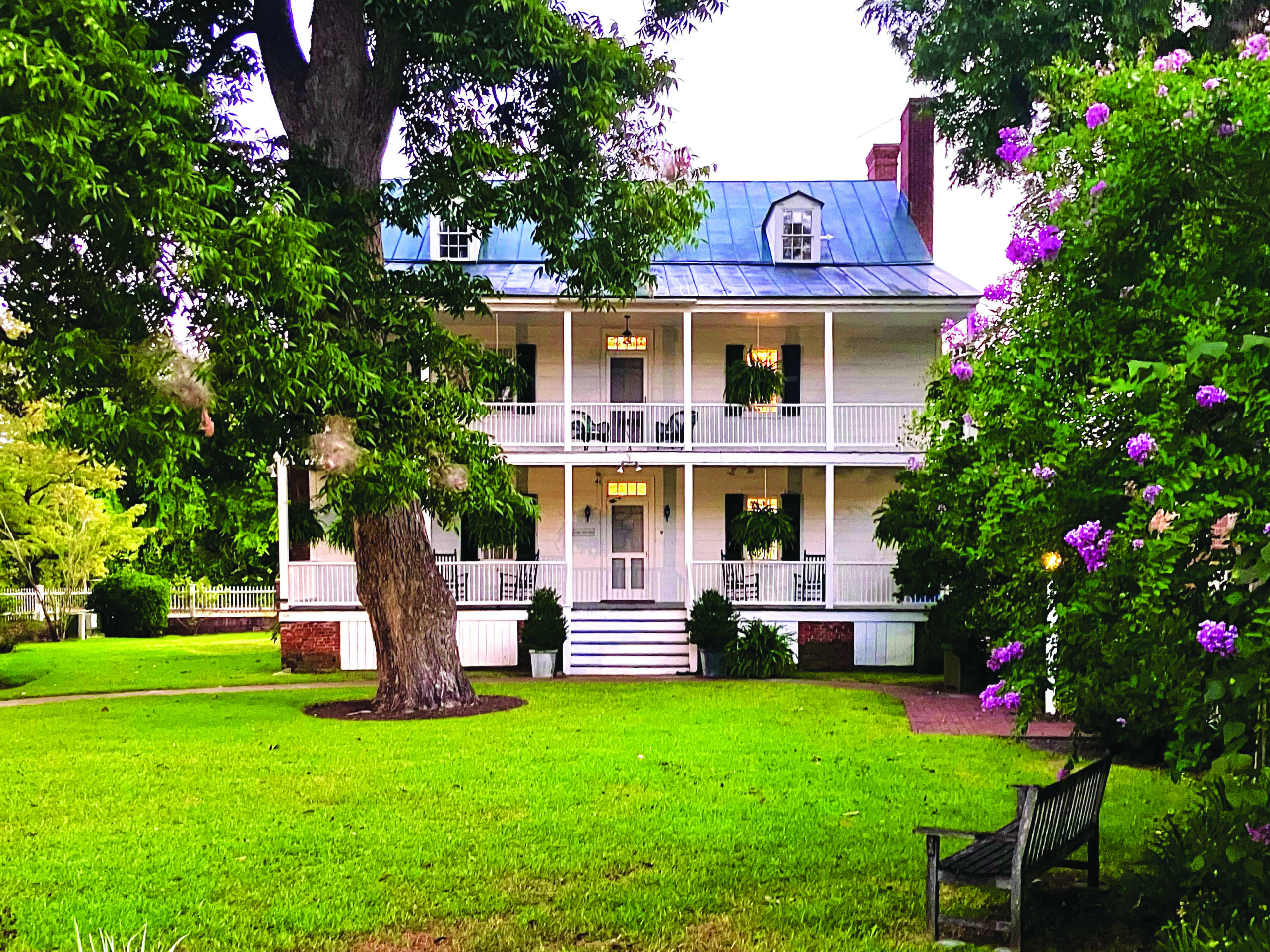
Today, the Attmore-Oliver House stands as a living testament to what vision and collective action can accomplish. Its historic rooms and expansive gardens provide a welcoming setting for the work of the New Bern Historical Society, from administrative operations and committee meetings to educational programming, volunteer collaboration, and community gatherings. The house connects our daily work with the generations who shaped New Bern, while offering a place where residents and visitors can encounter the stories that make our community unique.
John R. Taylor’s legacy is a powerful example of bold vision combined with devoted action. He saw what the Historical Society could become before its limited resources made that future seem possible. Through his leadership and the generosity of countless New Bernians, that vision became a lasting reality.
As we reflect with gratitude on this remarkable achievement, we also recognize that the work of preserving and sharing New Bern’s history continues. The Attmore-Oliver House represents what our community can accomplish when people believe in a shared purpose and work together to achieve it. We honor Taylor’s legacy not only by caring for this special place, but by looking ahead with the same spirit of ambition and commitment.
The Attmore-Oliver House was once a bold vision for the future of the Historical Society. Today, it stands as a gift to all of New Bern—and a reminder that we, too, are poised for our next big vision.